
When people think about the aerospace sector, they often picture commercial aircraft, space exploration, or satellites. However, one of its most relevant—yet sometimes less understood—dimensions is its close relationship with the defense sector, an area that drives innovation, technological development, and strategic capabilities for nations.
Far from a purely military perspective, the aerospace and defense sector represents a high-technology ecosystem, where advanced engineering, precision manufacturing, research, and highly specialized talent converge.
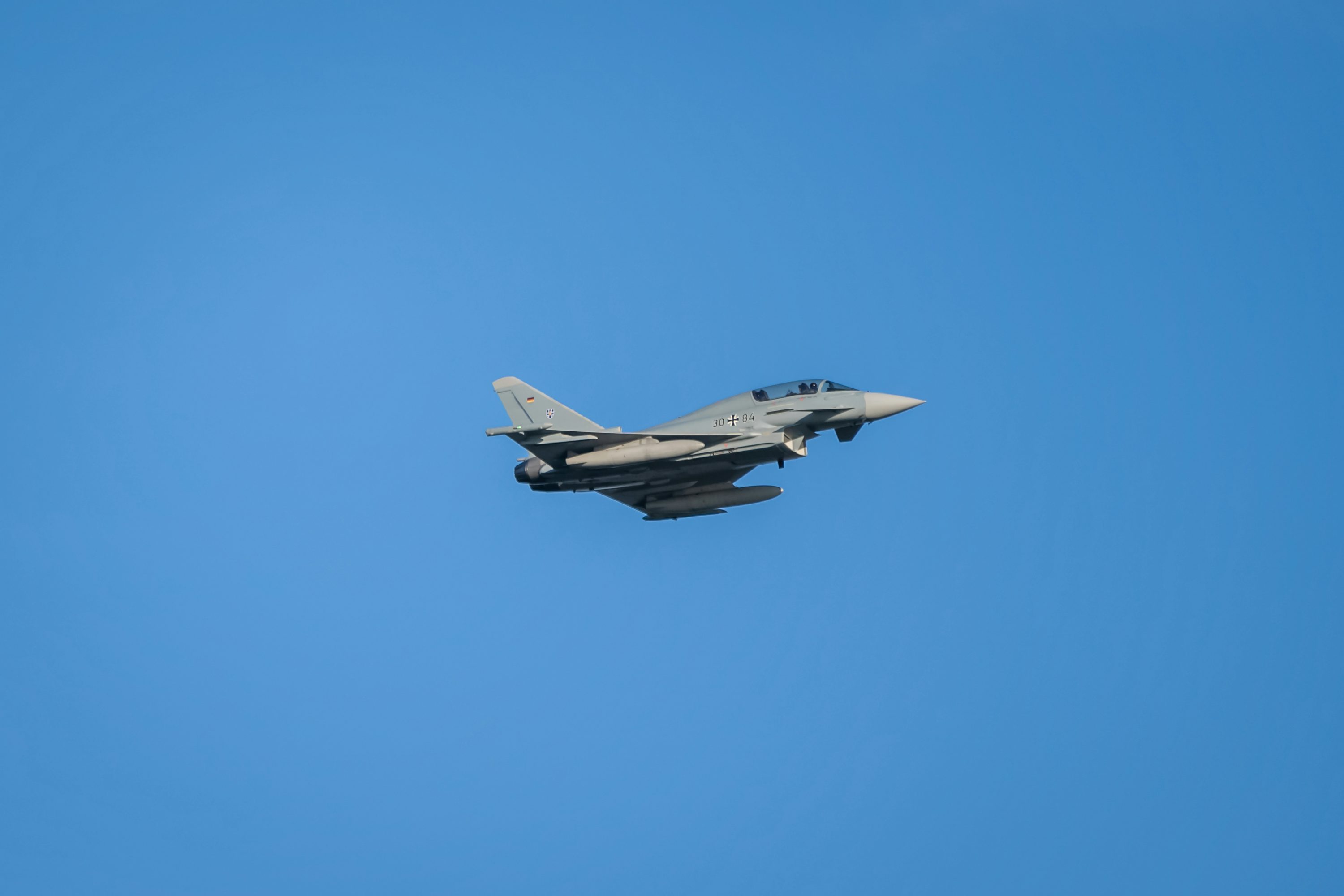
Strategic technology in a complex world
In an increasingly interconnected and challenging global environment, national security and the protection of critical infrastructure rely heavily on aerospace technologies. Aerial surveillance systems, Earth-observation satellites, secure communications, and specialized aircraft are essential tools for risk prevention, emergency response, and strategic decision-making.
Many of these capabilities have a direct impact on civilian life, supporting disaster monitoring, airspace management, and border protection.
Innovation beyond defense
Historically, the defense sector has been a powerful engine of technological innovation. Composite materials, navigation systems, advanced simulation, artificial intelligence, and rigorous quality standards were developed or refined within this field and are now widely applied in commercial aviation, automotive manufacturing, healthcare, and telecommunications.
This transfer of technology positions the aerospace and defense sector as a catalyst for industrial development and global competitiveness.
Advanced manufacturing and specialized talent
The sector demands highly certified processes, full traceability, extreme precision, and strict compliance with international regulations. These requirements raise the bar for advanced manufacturing and strengthen local supply chains, creating high-value jobs and fostering the development of specialized talent.
Engineers, technicians, researchers, and skilled professionals find in this industry opportunities to work on projects with significant technological and strategic impact.
A vision of development and collaboration
The growth of the aerospace and defense sector does not occur in isolation. It requires collaboration among industry, academia, and government, a long-term vision, and policies that promote innovation, training, and integration into global value chains.
More than a matter of security, it is a commitment to technological development, industrial sovereignty, and economic resilience.
Looking ahead
The aerospace and defense sector will remain essential to addressing the challenges of the 21st century. From air and space security to emergency response and the development of emerging technologies, its impact extends far beyond military applications.
Investing in this sector means investing in knowledge, innovation, and the ability to build a safer, more competitive, and sustainable future.